Every state has foundation problems.Texas just talks about them more than most because, frankly, Texas soil earns the conversation.I have bought and sold homes from the High Plains of West Texas to

Dated: September 10 2026
Views: 12
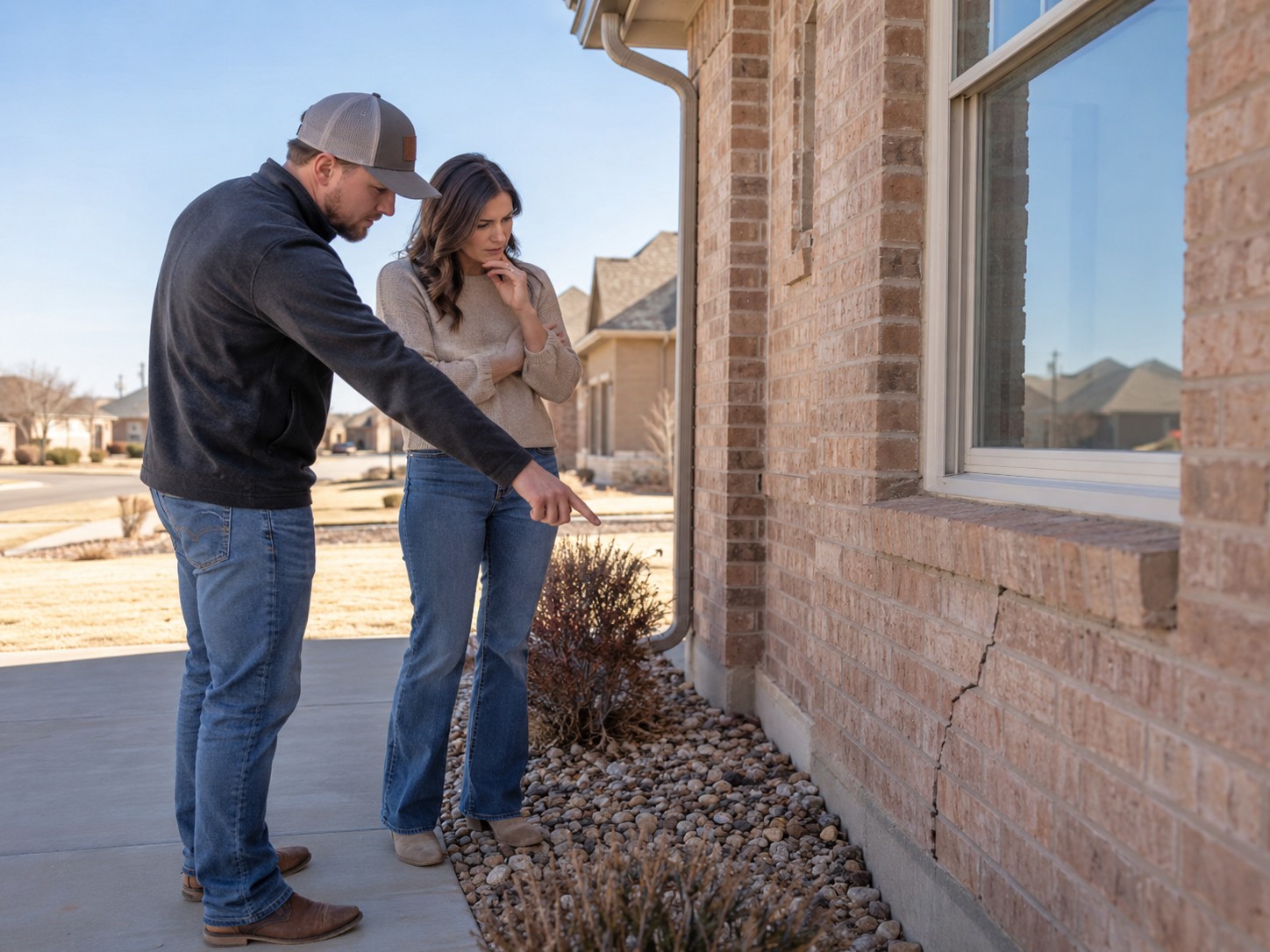
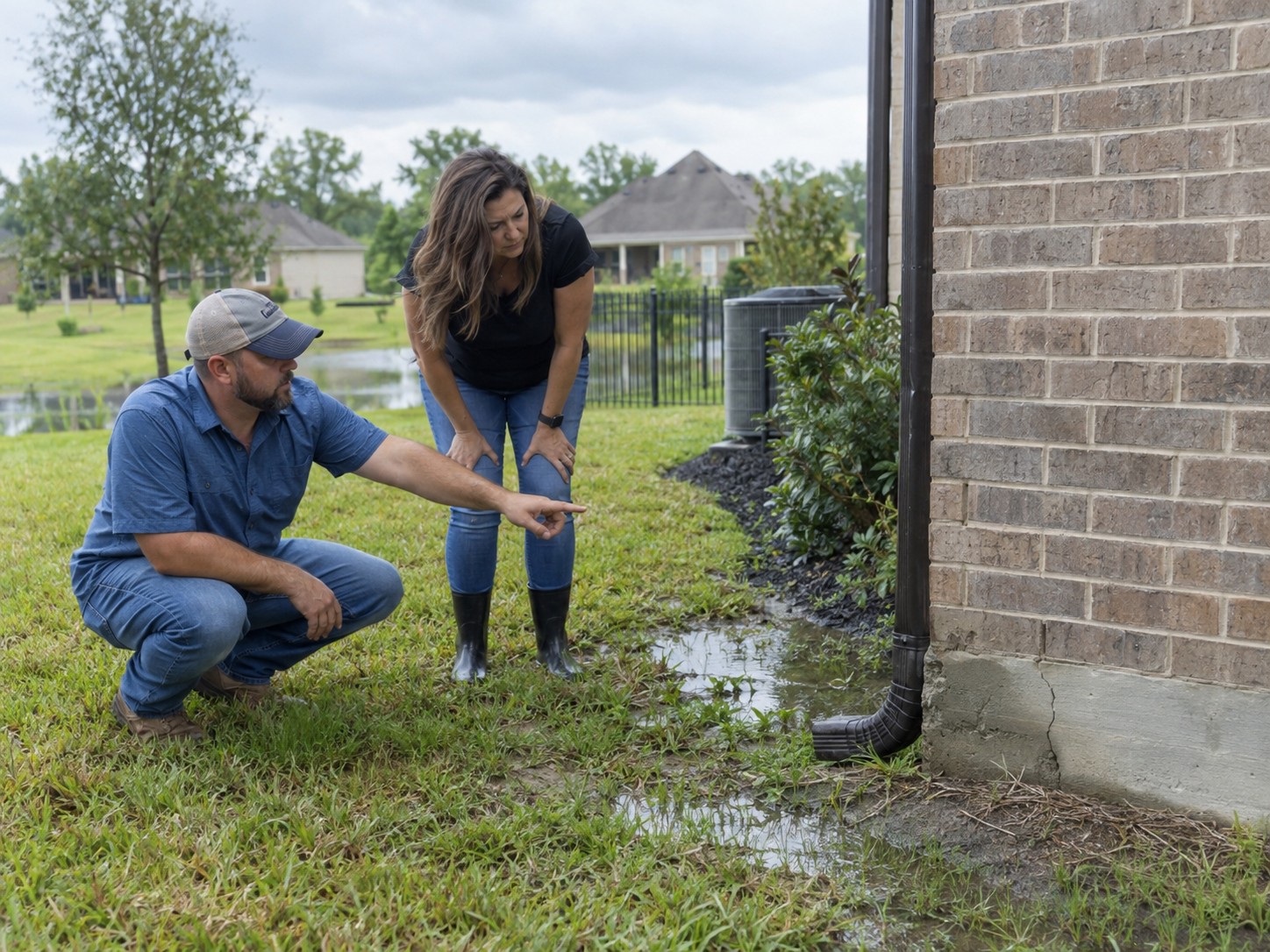
Every state has foundation problems.
Texas just talks about them more than most because, frankly, Texas soil earns the conversation.
I have bought and sold homes from the High Plains of West Texas to the Coastal Plains of Southeast Texas and places in between. So when I talk about the way the ground behaves in different parts of Texas, I am not describing something I simply read about.
I have walked it, shown homes on it and lived on it.
And one thing becomes clear very quickly:
It is all Texas, but the ground does not behave the same way everywhere — and it does not create the same foundation concerns.
Ask someone what causes foundation problems in Texas and there is a good chance the word clay will come up quickly.
That is not wrong.
It is just incomplete.
Texas is a very large state, and soil conditions can change considerably from one region to another. Expansive clay can shrink when it dries and swell when moisture returns, but that is only part of the story.
What matters to a homeowner or buyer is the particular combination beneath and around that specific house.
What kind of soil is present?
How does the property drain?
How much does soil moisture fluctuate?
What is happening below the surface?
And how was the foundation engineered for those conditions?
The word clay alone does not answer those questions.
Lubbock sits on the Llano Estacado, and the ground beneath a South Plains home is rarely just one simple material.
Caliche — soil or sediment cemented by calcium carbonate — is common throughout the region at varying depths. Depending on the property, you can also encounter sandy or loamy soils and areas containing more expansive clay.
Then add one of the biggest factors we live with in West Texas:
moisture swings.
We can experience long stretches of heat and drought followed by sudden, heavy thunderstorms.
The soil dries.
Moisture returns.
The soil responds.
That cycle can contribute to movement around a foundation.
It is why I have encouraged buyers for years to look beyond the crack they first noticed and pay attention to the whole property.
How is the drainage?
Where does rainwater go?
Is water being directed away from the house?
Are there several signs of movement or only one isolated crack?
Are doors binding?
Are floors noticeably changing?
Is masonry separating in more than one location?
Do not panic because you saw one crack. Read the whole pattern.
That is a much better starting point.
Travel a few hundred miles southeast into Fort Bend or Brazoria County and you are still in Texas.
Clay is still part of the conversation.
But the environment surrounding it is very different.
The Gulf Coast Prairie is generally much flatter and wetter than the South Plains. Drainage can become a much larger part of evaluating a property.
I have seen firsthand how long water can remain in a yard after a heavy Gulf Coast rain. On very flat land, water simply does not have the natural fall that we are accustomed to seeing in some other parts of the state.
The groundwater environment is also different.
That means when I walk a property in Southeast Texas, I am paying particular attention to things I may weigh differently in Lubbock:
Where does stormwater collect?
How quickly does the lot drain?
How was the homesite elevated?
Where are drainage easements?
How are neighboring properties directing water?
Is there evidence that water repeatedly collects around the structure?
Same state.
Same familiar word — clay.
But a different set of circumstances surrounding it.
There is another issue in parts of the Gulf Coast region that most Lubbock buyers rarely have reason to think about:
land subsidence.
Subsidence is different from simply talking about soil movement immediately beneath one foundation.
It refers to the gradual lowering of the land surface itself.
Groundwater withdrawal has historically contributed to subsidence in portions of the Houston-Galveston region and surrounding areas. That concern became important enough that regional districts were created to manage groundwater use and reduce future subsidence.
Fort Bend County, for example, has had a subsidence district for decades. Brazoria County also regulates groundwater resources through its groundwater conservation district.
That introduces an entirely different level of thinking.
Now the question is not only:
“What is happening under this particular slab?”
It can also involve:
“What has historically been happening to the land across this broader area?”
That is a regional issue involving groundwater management, development, drainage and infrastructure — not simply something happening on one homeowner's lot.
This is where local knowledge becomes especially valuable.
A buyer moving from Lubbock to Fort Bend or Brazoria County should not simply carry the same property checklist several hundred miles southeast and assume all the questions remain equal.
Some do.
Others change.
In Lubbock, I may pay particularly close attention to drought conditions, irrigation patterns, grading, drainage and evidence of soil movement around the foundation.
On the Gulf Coast, I still care about those things, but I may place additional emphasis on lot elevation, stormwater drainage, flood characteristics, groundwater conditions and the broader history of the area.
If I were walking a Southeast Texas property with a buyer, some of my questions would include:
The objective is not to turn a home tour into an engineering investigation.
It is to recognize when something deserves a closer look.
A crack in a Lubbock house and a crack in a Fort Bend County house may look almost identical.
That does not necessarily mean the story behind them is identical.
Same state. Same word — clay. Different ground, different conditions and sometimes different questions.
That is why I do not believe buyers should automatically panic when they see a crack.
But I also do not believe they should simply accept someone saying:
“That's normal for Texas.”
Neither response tells you enough.
Look at the pattern.
Look at the drainage.
Look at the property's history.
Use the inspection period.
And when the evidence warrants it, bring in the appropriate foundation or structural professional to help determine what is actually happening.
My purpose is not to convince a buyer that a house does or does not have a foundation problem.
It is to help that buyer recognize the right questions to ask before making a very expensive decision.
Having lived with West Texas ground and Southeast Texas ground gives me an appreciation for something buyers sometimes overlook:
Real estate may be local, but so is the dirt underneath it.
Whether you are evaluating a home in Lubbock today or considering Fort Bend, Brazoria County or another part of Texas tomorrow, the right questions begin with understanding the property you are actually standing on.
Not Texas soil in general.
That soil. That lot. That house.
That is how you replace fear with useful information and make a more confident real estate decision.
MOVE WISELY.

Raised in a family of educators, I learned early that leadership isn’t about volume — it’s about character, preparation, and earning trust.My father was a teacher and athletics coach....
Every state has foundation problems.Texas just talks about them more than most because, frankly, Texas soil earns the conversation.I have bought and sold homes from the High Plains of West Texas to
Foundation Cracks in a Texas Home: When Should a Buyer Really Be Concerned?A crack in brick, drywall, tile, or concrete can change the entire mood of a home showing.A buyer notices it, stops, looks
Mortgage Rates Just Fell Again. Is Waiting to Buy a Lubbock Home Still the Smart Move?Mortgage rates just moved lower again.According to Freddie Mac, the average 30-year fixed mortgage rate fell to.
What Today’s Lubbock Homebuyers Notice First and What Sellers Often OverlookLubbock homebuyers begin judging a property long before they step through the front door. They notice the listing

Lubbock Association of REALTORS® All information deemed reliable but not guaranteed. All properties are subject to prior sale, change or withdrawal. Neither listing broker(s) or information provider(s) shall be responsible for any typographical errors, misinformation, misprints and shall be held totally harmless. Listing(s) information is provided for consumer's personal, non-commercial use and may not be used for any purpose other than to identify prospective properties consumers may be interested in purchasing. The data relating to real estate for sale on this website comes in part from the Internet Data Exchange program of the Multiple Listing Service. Real estate listings held by brokerage firms other than eXp Realty in Lubbock Texas may be marked with the Internet Data Exchange logo and detailed information about those properties will include the name of the listing broker(s) when required by the MLS. Copyright ©2026 All rights reserved. Last Updated: September 20, 2026 8:42 PM UTC Show More...
